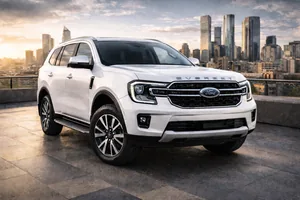
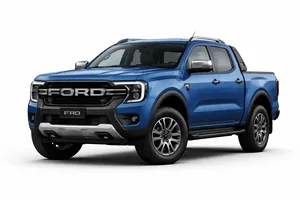
Everest holds a noticeable edge over Caddy, especially in key ownership areas.
Key Differences At A Glance
Performance
Everest
+7 pts
Efficiency
Caddy
+1 pts
Safety
Everest
+8 pts
Practicality
Everest
+1 pts
Ownership
Everest
+4 pts
Category Score Breakdown
🏆 Overall Winner
Everest
Performance
13/20
Efficiency
7/20
Safety
20/20
Practicality
12/20
Ownership
16/20
Caddy
Performance
6/20
Efficiency
8/20
Safety
12/20
Practicality
11/20
Ownership
12/20
Pros & Cons
Caddy
Pros
Better fuel efficiency
Cons
Less powerful engine setup
Less comprehensive safety features
Less practical in daily usage
Shorter warranty coverage
Best For:Fuel Efficiency
🏆 Overall Winner
Everest
Pros
More powerful engine output
Stronger safety package
More practical for daily use
Better long-term ownership value
Cons
Lower fuel efficiency
Best For:Highway DrivingFamily Usage
Who Should Buy Which?
Caddy
Buyers looking for better fuel efficiency
Everest
Drivers who prioritise strong highway performance and overtaking power
Families prioritising stronger safety equipment
Large families needing more practicality and usability
Long-term owners valuing warranty and ownership peace of mind
Full Specification Comparison
Specification
Caddy
Everest
Ground Clearance
170
220
Wheelbase
2755
2900
Length
4499
4914
Width
1794
1923
Height
1832
1842
Kerb Weight
1395
2305
Gross Vehicle Weight
2200
3100
Seating Capacity
2
7
Boot Space
351
259
Towing Capacity
1000
3500
Front Track Width
1522
-
Rear Track Width
1497
-
Turning Radius
5.1
-
Specification
Caddy
Everest
Engine
1.6L MPI Petrol
2.0L Single Turbo Diesel
Engine Type
Inline 4-cylinder MPI
Inline 4 Turbocharged
Displacement
1598
1996
Cylinders
3
4
Valves per Cylinder
4
4
Power
75
125
Power @ RPM
3500 rpm
-
Torque
155
405
Torque @ RPM
3800 rpm
-
Fuel System
Direct Injection
Common Rail Direct Injection
Turbocharger
Not Available
-
Top Speed
160
180
0-100 km/h
14.5
11.5
Compression Ratio
10.5:1
-
Engine Position
Front Transverse
-
Specification
Caddy
Everest
Transmission
5-speed Manual
6-Speed Automatic
Drive Type
FWD
4x2
Drivetrain Layout
Front Wheel Drive
Rear Wheel Drive
LSD Available
Not Available
Electronic
Paddle Shifters
Not Available
-
Transfer Case
Not Applicable
Not Available
Differential Lock
Not Applicable
-
Specification
Caddy
Everest
Claimed Mileage
13.5
14.0
City Mileage
11
9
Highway Mileage
16
12
Fuel Tank Capacity
55
80
Emission Standard
Euro 6
Euro 5
AdBlue Tank Capacity
Not Applicable
-
Auto Start Stop
Standard
-
Specification
Caddy
Everest
Airbags
4
7
ABS
Standard
Standard
Electronic Stability Control
Standard
Standard
Traction Control
Standard
Standard
Hill Descent Control
Not Available
Not Available
Hill Start Assist
Standard
-
Child Safety Lock
Standard
Standard
ISOFIX Mounts
Standard
Standard
Brake Assist
Standard
Standard
Tyre Pressure Monitor
Standard
Standard
Engine Immobiliser
Standard
Standard
Alarm System
Standard
-
Central Locking
Standard
-
Side Impact Beams
Standard
-
Specification
Caddy
Everest
Cruise Control
Not Available
Standard
Adaptive Cruise Control
Not Available
Not Available
Lane Keep Assist
Not Available
Not Available
Lane Departure Warning
Not Available
-
Blind Spot Monitoring
Not Available
Not Available
Rear Cross Traffic Alert
Not Available
Not Available
Parking Sensors
Not Available
Rear
Rear View Camera
Not Available
Standard
360 Degree Camera
Not Available
Not Available
Autonomous Emergency Braking
Not Available
Not Available
Driver Fatigue Alert
Not Available
-
Traffic Sign Recognition
Not Available
-
Specification
Caddy
Everest
Seat Material
Fabric
Fabric
Seat Adjustment
Manual
Manual
Heated Seats
Not Available
Not Available
Ventilated Seats
Not Available
Not Available
Steering Type
Electric Power Assisted
Power Assisted
Steering Adjustment
Height Adjustable
Tilt & Telescopic
Ambient Lighting
Not Available
Not Available
Folding Rear Seats
60/40 Split
-
Front Armrest
Not Available
-
Rear Armrest
Not Available
-
Specification
Caddy
Everest
Climate Control
Not Available
Dual Zone
Power Windows
All Doors
Standard
Keyless Entry
Standard
Standard
Push Button Start
Not Available
Standard
Wireless Charging
Not Available
Not Available
Sunroof
Not Available
Not Available
Electric Tailgate
Not Available
Not Available
Automatic Headlamps
Not Available
-
Rain Sensing Wipers
Not Available
-
Auto Dimming Mirror
Not Available
-
Specification
Caddy
Everest
Infotainment Screen
Basic Radio
10-inch Touchscreen
Apple CarPlay
Not Available
Wireless
Android Auto
Not Available
Wireless
Bluetooth Connectivity
Standard
Standard
Number of Speakers
4
8
Navigation System
Not Available
Standard
Digital Instrument Cluster
Not Available
-
USB Ports
1
-
Wireless Apple CarPlay
Not Available
-
Specification
Caddy
Everest
LED Headlamps
Halogen
Standard
Daytime Running Lamps
LED
LED
Fog Lamps
Not Available
Standard
Roof Rails
Not Available
Standard
Alloy Wheel Design
Steel Wheels
18-inch Alloy
Chrome Exterior Finish
Not Available
-
Body Cladding
Not Available
-
Rear Spoiler
Not Available
-
Specification
Caddy
Everest
Tyre Size
195/65 R15
255/65 R18
Wheel Type
Steel
Alloy
Front Brake Type
Ventilated Disc
Disc
Rear Brake Type
Drum
Disc
Spare Wheel Type
Full Size Steel
-
Specification
Caddy
Everest
Front Suspension
MacPherson Strut
Independent Double Wishbone
Rear Suspension
Torsion Beam
Multi-link Coil Spring
Chassis Type
Monocoque
Ladder Frame
Power Steering
Electric
-
Steering Column
Height Adjustable
-
Specification
Caddy
Everest
Service Interval
15,000 km or 1 Year
15000 km / 12 months
Approx Service Cost
Approx R4,200
Moderate
Battery Warranty
Not Applicable
2 Years
Maintenance Plan
Optional
-
Specification
Caddy
Everest
Warranty Years
3
4
Warranty Kilometers
100000
120000
Roadside Assistance
3 Years
4 Years
Anti-Corrosion Warranty
6 Years
-
Specification
Caddy
Everest
CO2 Emissions
182
190
Start Stop System
Standard
Standard
Hybrid System Type
Not Applicable
Not Applicable
Noise Level
67
-
Specification
Caddy
Everest
Approach Angle
-
30
Departure Angle
-
25
Wading Depth
-
600
Terrain Modes
-
Normal
Locking Differential
-
Electronic
Final Verdict
🏆Ford Everest
wins with 68 pts
vs 49 pts for Caddy
In structured scoring, Everest emerges as the stronger overall package. However, Caddy may appeal to buyers prioritising different factors. Ultimately, the right choice depends on your driving priorities in South Africa.